Where to stay in Maastricht: city evenings or Valkenburg stay logic
Maastricht is South Limburg's strongest urban base. Its official visitor structure separates eight districts; a night works when two areas and an evening belong together. Valkenburg is better when hills, spa, caves or village life are the anchor.
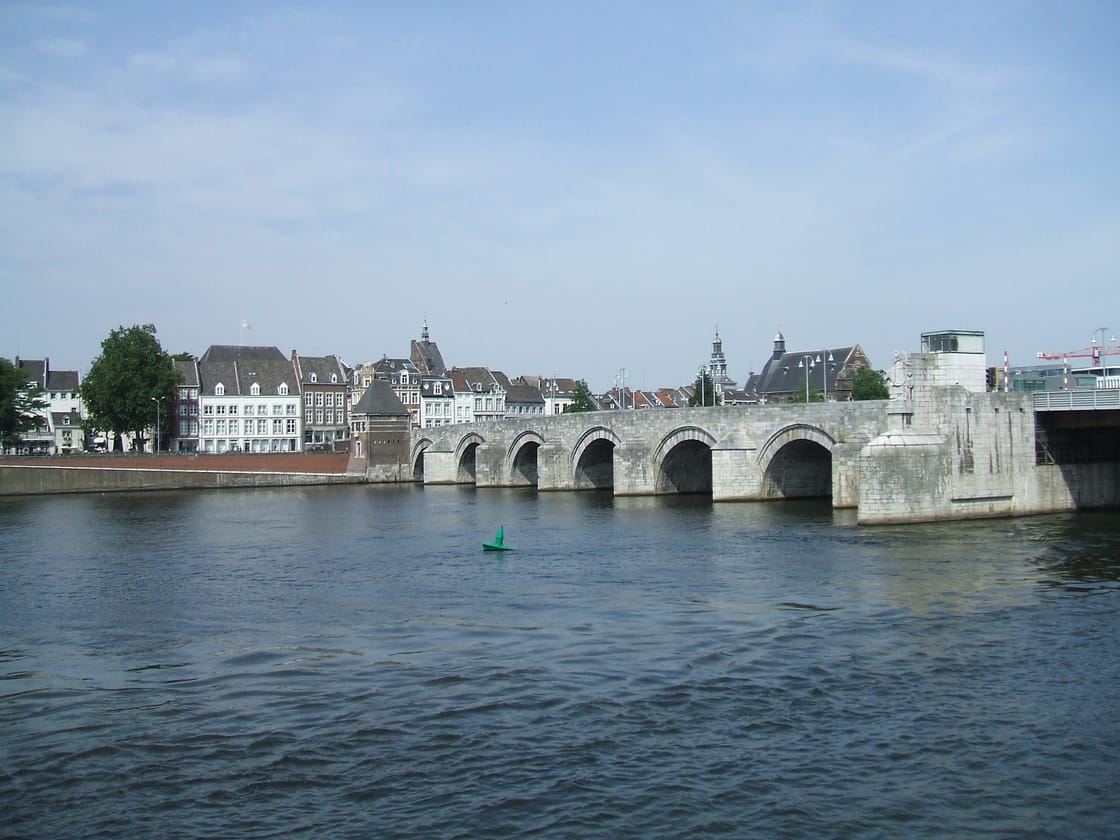
Sint Servaas Bridge and the Maas: the link between the historic core and Wyck.Photo:Saturn V · CC BY-SA 3.0 · web-optimised derivative
Stay orientation
Four areas, one deliberate base decision
Schematic decision map — not a street or route map.
Wyck and CéramiqueFor the station, restaurants, modern architecture and the east bank of the Maas; cross the river for the old core.
City centre and Stokstraat QuarterFor squares, shopping, dining and late walks with little daily logistics; accept the heaviest visitor traffic.
Jeker Quarter and Sint PieterFor historic streets, the city park and a greener southern edge; verify the daily route to the station and northern anchors.
Sphinx Quarter and Staten QuarterFor industrial heritage, culture and a more local atmosphere in the northwest; less direct for an arrival in Wyck.
Maastricht station is in Wyck, east of the Maas: Wyck lies between the station and the Sint Servaasbrug, so arriving by train you walk straight into it. Maastricht Marketing gives 10 to 15 minutes by train to Valkenburg. Wyck, Céramique and the historic core connect logically on foot; Sint Pieter, the Sphinx Quarter and further districts require a deliberate walk, bike or bus choice. Recheck the journey live.
Recheck the live journey planner, engineering work and the final connection shortly before travel; timetables and access are not fixed editorial facts.
03
Plan the morning and evening
First block
Sleep in Wyck and Céramique for the station, restaurants and an easy Valkenburg day trip, or in the City centre and Stokstraat Quarter for squares and late walks across the Sint Servaasbrug.
Second block
Give the second day to the Jeker Quarter and Sint Pieter for historic streets and the greener south, or to the Sphinx and Staten Quarters for industrial heritage; from Wyck both need a deliberate walk, bike or bus ride.
04
Use it as a base — but not by default
Valkenburg is both a genuine rail day trip and an alternative base. Do not choose Maastricht on convenience alone: stay in Valkenburg when two local time blocks or multiple municipal areas drive the trip.