Where to stay on Texel: the crossing permits a day trip, island life rewards a night
Texel is not one village but an island of dispersed settlements, coast and nature. A local night stops the crossing and return from framing the best hours.
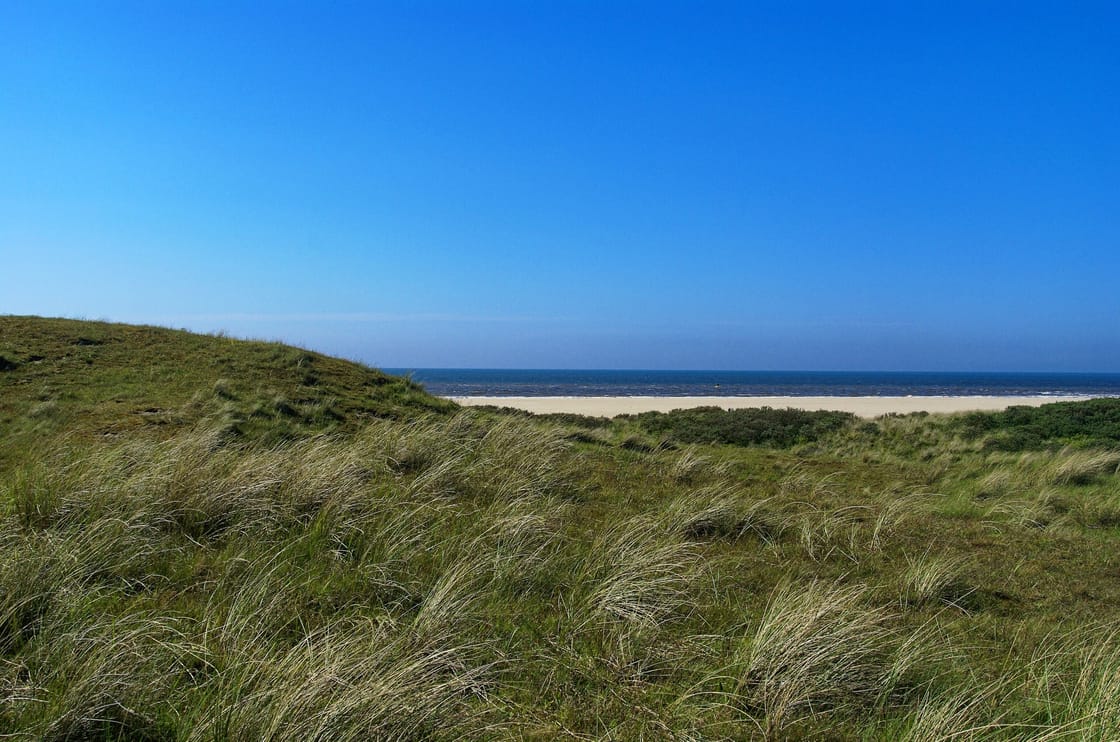
North Sea dunes near Eierland: Texel is a dispersed island landscape, not one compact village.Photo:Txllxt TxllxT · CC BY-SA 4.0 · web-optimised derivative
Stay orientation
Four areas, one deliberate base decision
Schematic decision map — not a street or route map.
Den BurgFor central services and island routes without sleeping directly by the sea.
De KoogFor beach and dunes as the anchor, with a livelier visitor scene.
OudeschildFor harbour context and the east side, not direct North Sea coast.
De CocksdorpFor northern landscape and calm; accept longer island distances.
The ferry terminal is at the south end, not in the main villages. VVV Texel says the ferry sails every hour, and every half hour on busy days, and that from the train and bus terminal in Den Helder the Texelhopper takes travellers (almost) to their accommodation; TESO requires no reservation for a crossing. Bus, bike and car offer different reach on the island; recheck the crossing and last connection live.
Recheck the live journey planner, engineering work and the final connection shortly before travel; timetables and access are not fixed editorial facts.
03
Plan the morning and evening
First block
Sleep in Den Burg for central services and island routes, or in De Koog when beach and dunes are the reason; either way the first morning starts on the island, not on the crossing.
Second block
Use the second day for Oudeschild's harbour side or the quieter north around De Cocksdorp, and allow for the longer island distances by bus or bike.
04
Use it as a base — but not by default
Den Burg is the practical island centre; De Koog focuses on the coast; smaller villages suit quiet. Other Wadden islands are separate travel decisions, not a same-route extension.